
Research
Understanding host-dependent replication of viruses
ウイルスはゲノムサイズが小さいため、遺伝子数が限られます。
そのため、ウイルスは宿主の因子を強奪することで複製しており、新しいウイルスがヒトへの感染能を獲得するには、ヒトの宿主因子に適応することが必要です。
私たちのグループはウイルスの複製に必要な宿主タンパク質の同定と機能解析をめざしています。
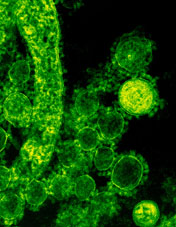
Adaptations of viral polymerase to new hosts are essential process
A型インフルエンザウイルスの自然宿主は水鳥です。鳥インフルエンザは複製酵素であるウイルスポリメラーゼに変異を獲得することで、どのように人に適応するのだろう?
私たちは、ウイルスポリメラーゼの機能解析とヒトへの適応機構を研究しています。
What we know:
- Point mutations (such as Lys627 of PB2 gene) are responsible for the outbreak of avian flu in humans
- Pandemic flu strains have higher transcription activity
- Host factors (eg. ANP32/pp32) are essential for viral polymerase activity
Intracellular transport of viral factors
ウイルスゲノムや各ウイルスタンパク質は細胞内小胞を介した輸送により、その細胞内局在が時空間的に制御され、ウイルス粒子が形成されます。どのようにウイルスは小胞輸送系を制御しているのだろう?
What we know:
- Endocytic transport is activated and utilized by viruses
- The transport pathway is well-organized to form functional and stable viral particles
- Defective transport of viral genomes activates cellular immune responses
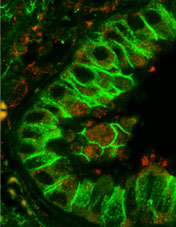
Anti-viral defense mechanism
宿主細胞はウイルスを非自己として認識し、炎症応答を介して免疫細胞をリクルートします。一方、ウイルスはこれらの抗ウイルス応答を回避することで増殖します。
ウイルスは宿主免疫とどのように競合しているのだろう?
What we know:
- Mx gene serves as a virus sensor in respiratory epithelium
- Escape mutations against Mx gene is essential for adaption of avian flu to humans
- Influenza viruses can repress inflammatory responses in respiratory epithelium but not in immune cells